Intelligence
Research Repository / Atlas
How the enterprise learnsIRS · ENTERPRISE EXPERIENCE · DIGITAL TRANSFORMATION
Building the systems, standards, and shared understanding that make better digital experiences possible across a complex federal enterprise.
EXECUTIVE SUMMARY
At the IRS, I worked across shared design standards, taxpayer-facing experiences, research infrastructure, and enterprise governance, treating experience as a connected operating system rather than a collection of interfaces.
THE BODY OF WORK, AT A GLANCE
Research Repository / Atlas
How the enterprise learnsIRS.gov Homepage
How the enterprise defines experienceTax Professional Account
How the enterprise solves complex journeysDigital Design System
How the enterprise builds and scalesAcross the body of work
How practices become repeatable01 · THE CHALLENGE & OPPORTUNITY
Different products, teams, standards, and sources of information created friction for users and made quality difficult to repeat across the enterprise. Fragmentation was the experience problem.
02 · THE EXPERIENCE MODEL
Research informs strategy
Strategy informs experience
Experience creates reusable patterns
Patterns become standards
Governance enables adoption
Learning begins the next cycle
The work connected research, experience strategy, shared infrastructure, and adoption into a repeatable transformation pattern. Learning from each cycle informs the next, and that feedback loop is the capability, not any one deliverable.
03 · THE ROLE
My role extended beyond interface design. Across these initiatives, I operated where experience strategy, organizational alignment, human-centered design, and enterprise capability building meet.
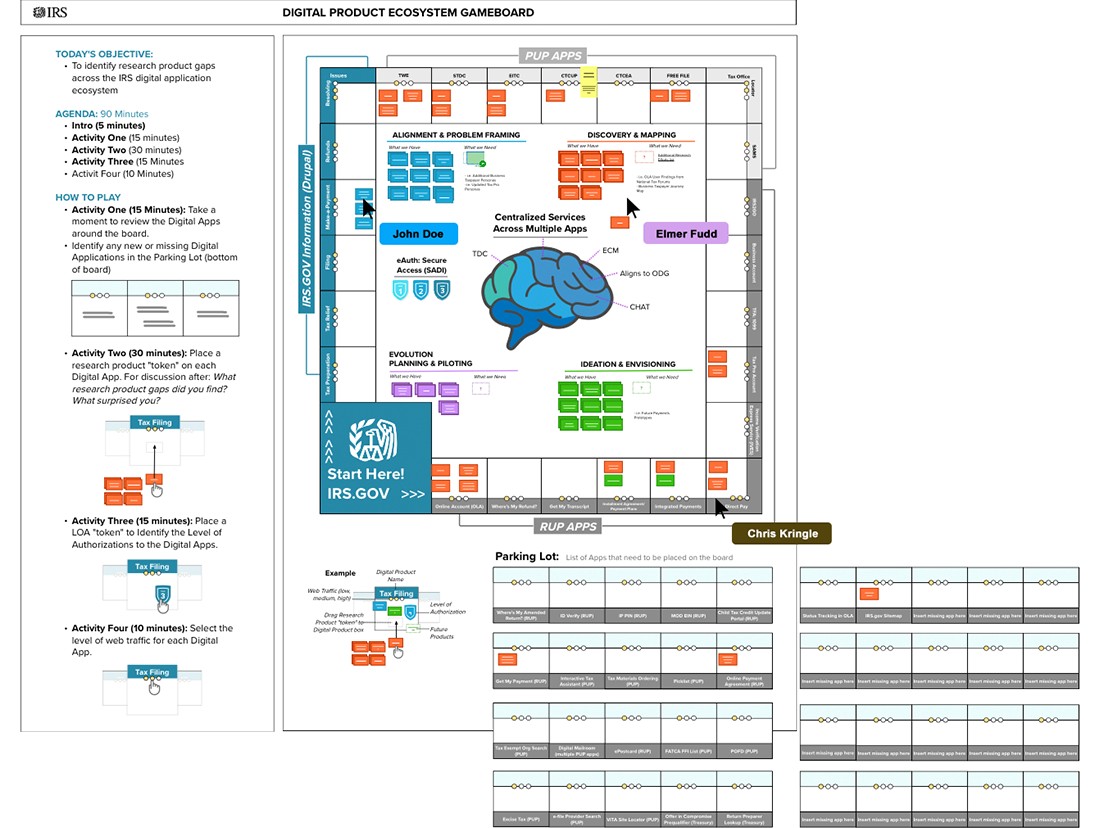 Strategy – Atlas gameboard
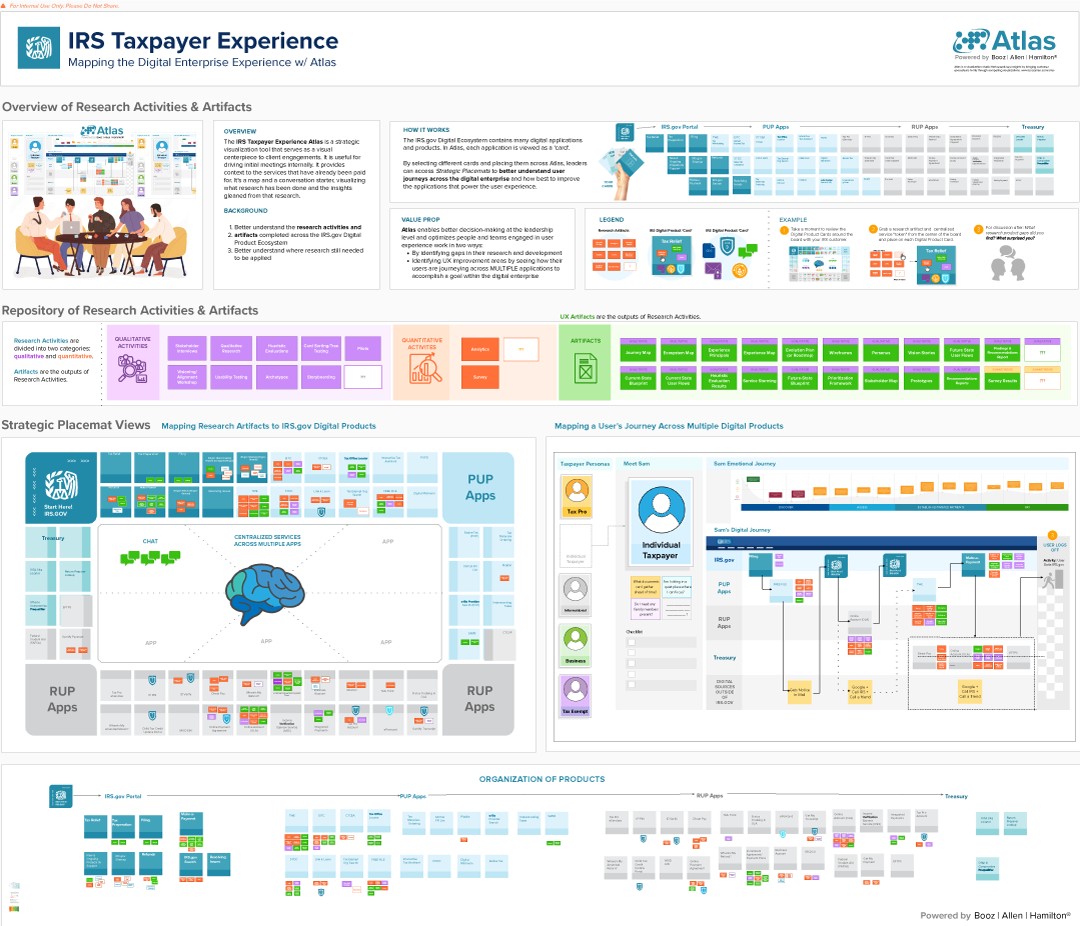 Strategy – Atlas research views
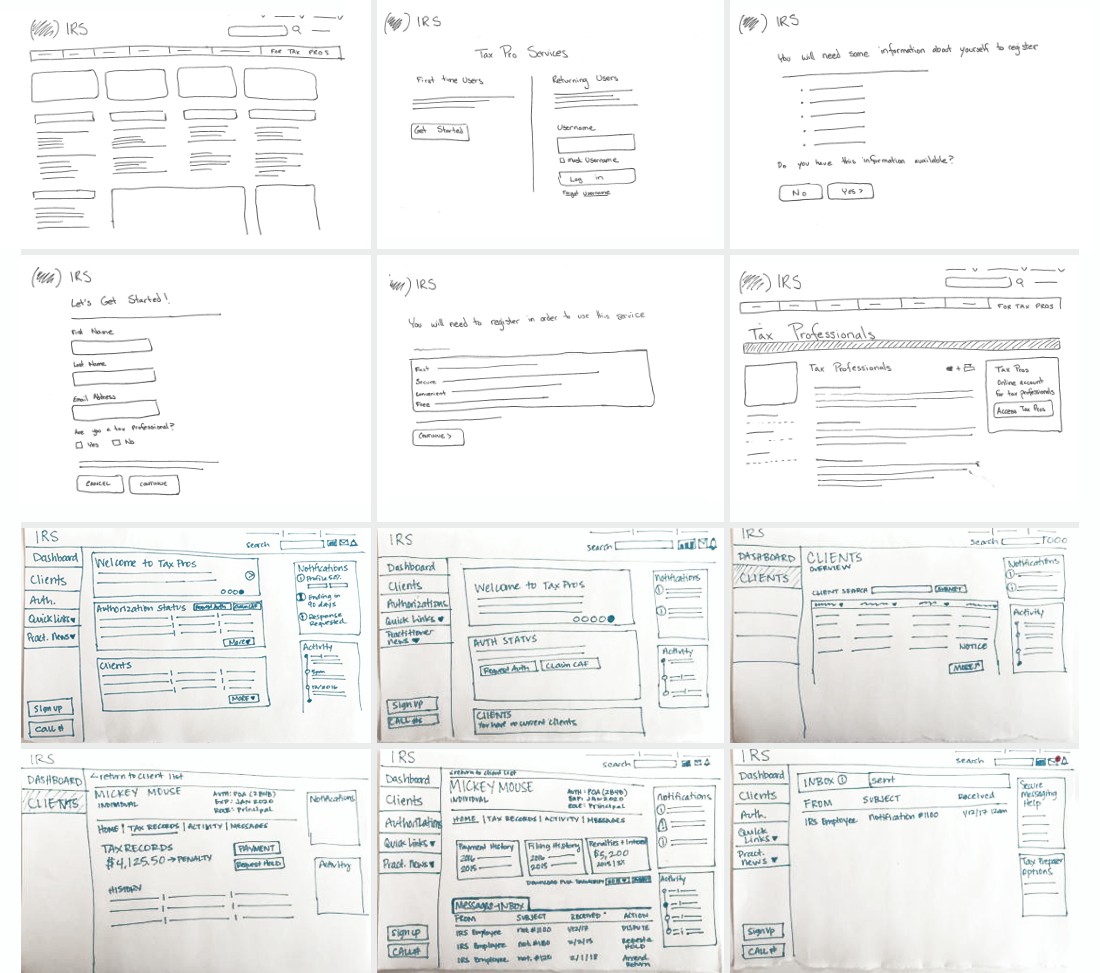 Tax Pro – Concept sketches
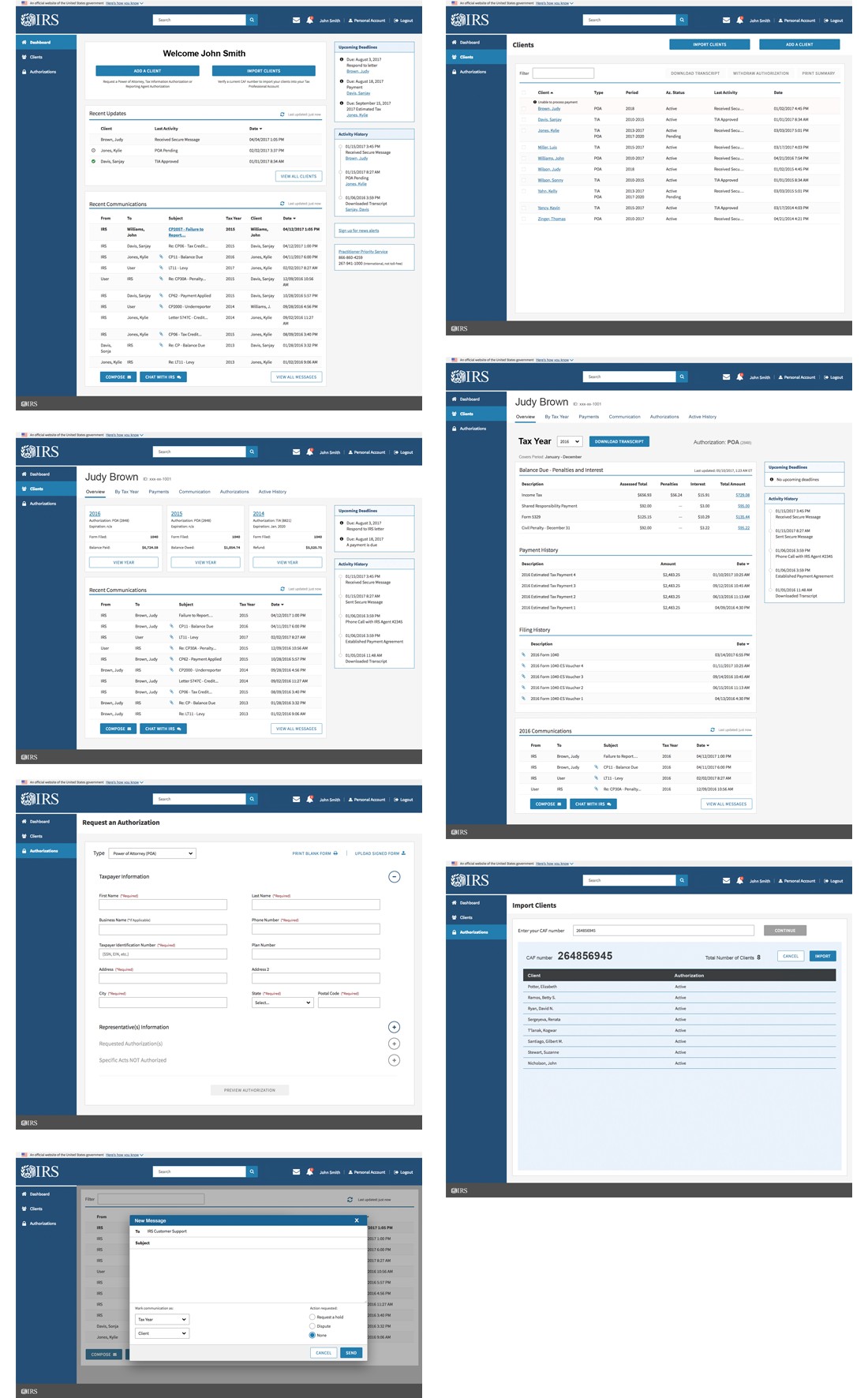 Tax Pro – Desktop design
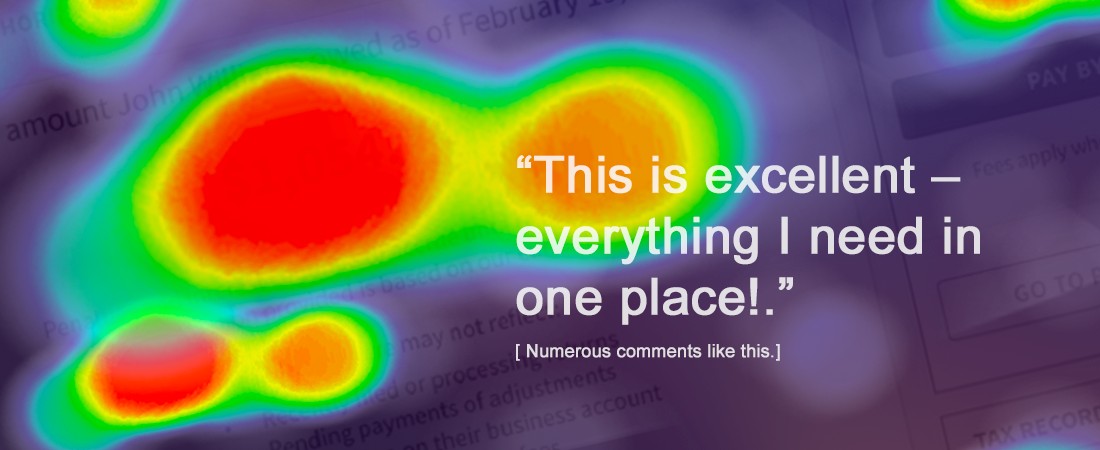 Results – Tax Pro user feedback
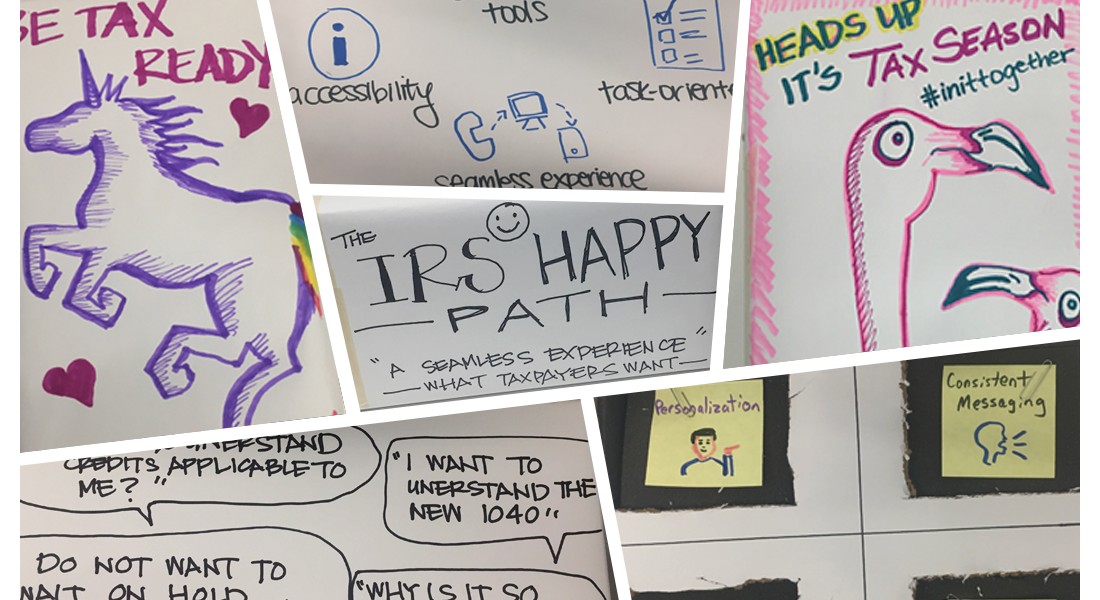 Workshop – 2-day IRS.gov visioning
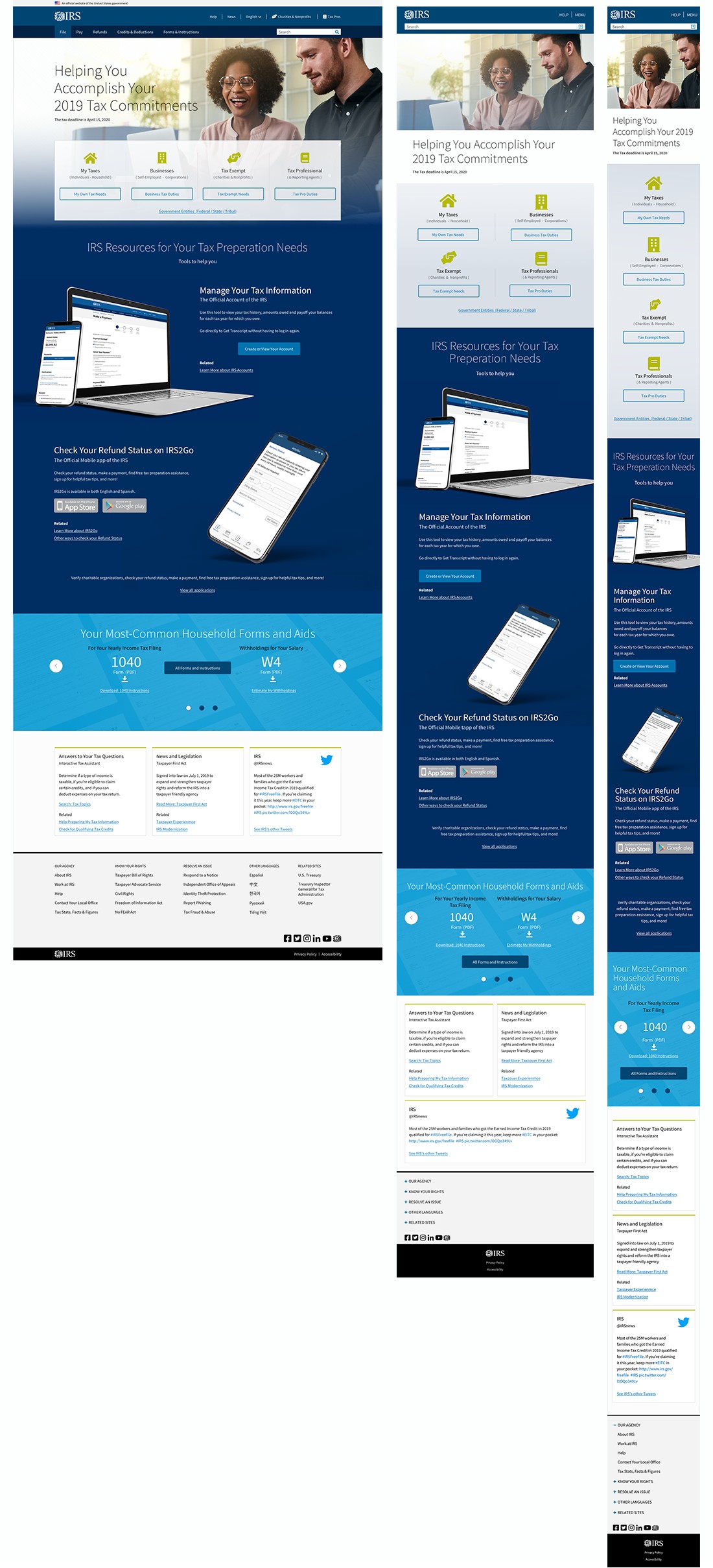 IRS.gov – Homepage concepts
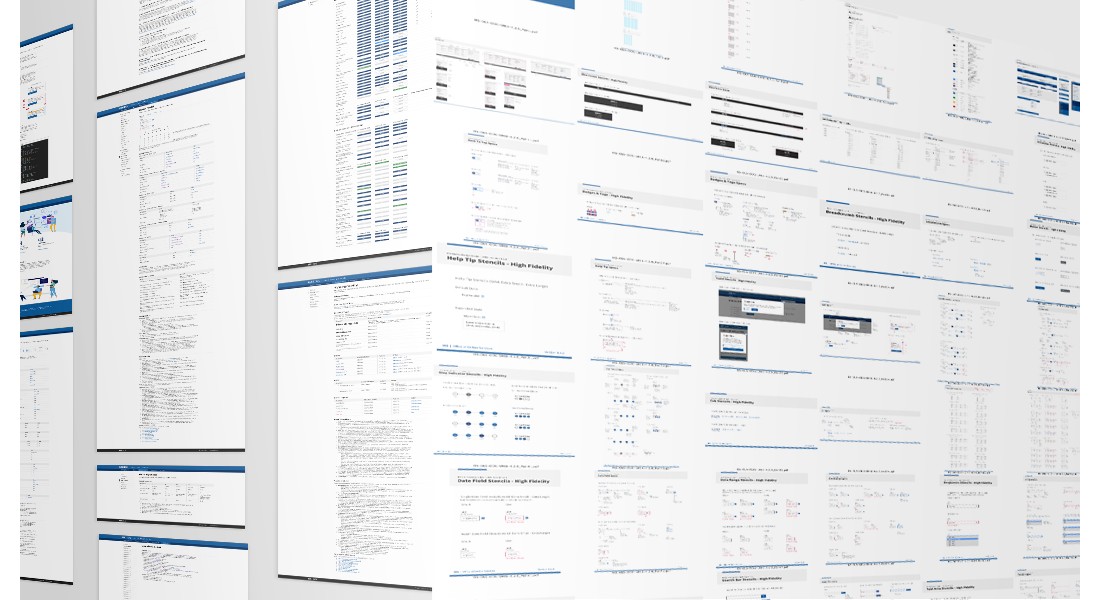 Design System – Online Design Guide
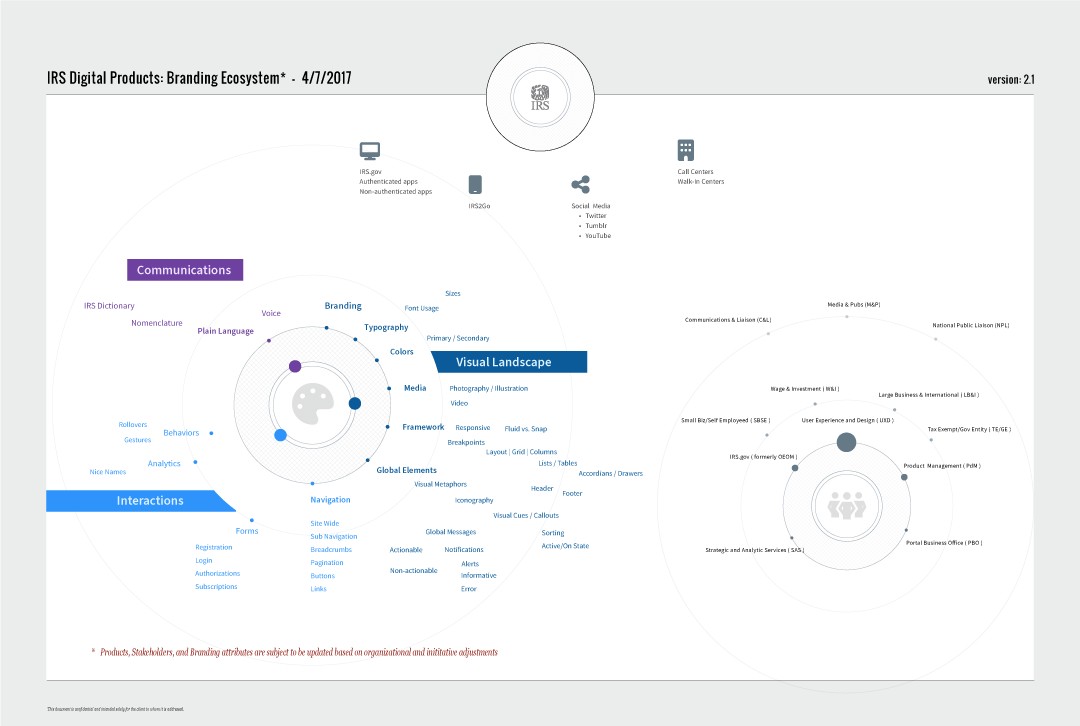 Discovery – Branding ecosystem
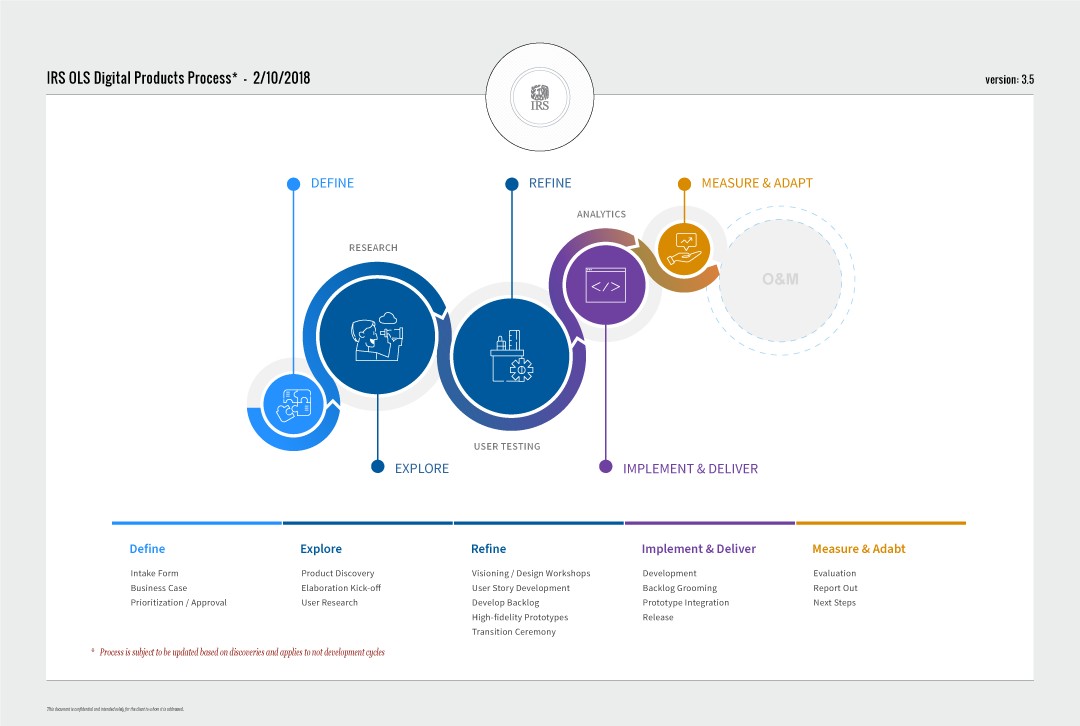 Process – Digital product lifecycle
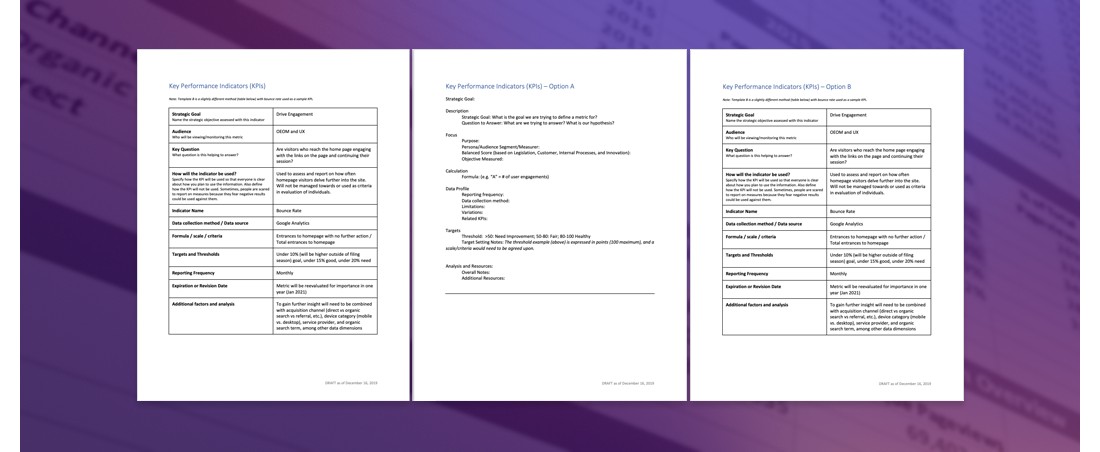 Measurement – KPI framework
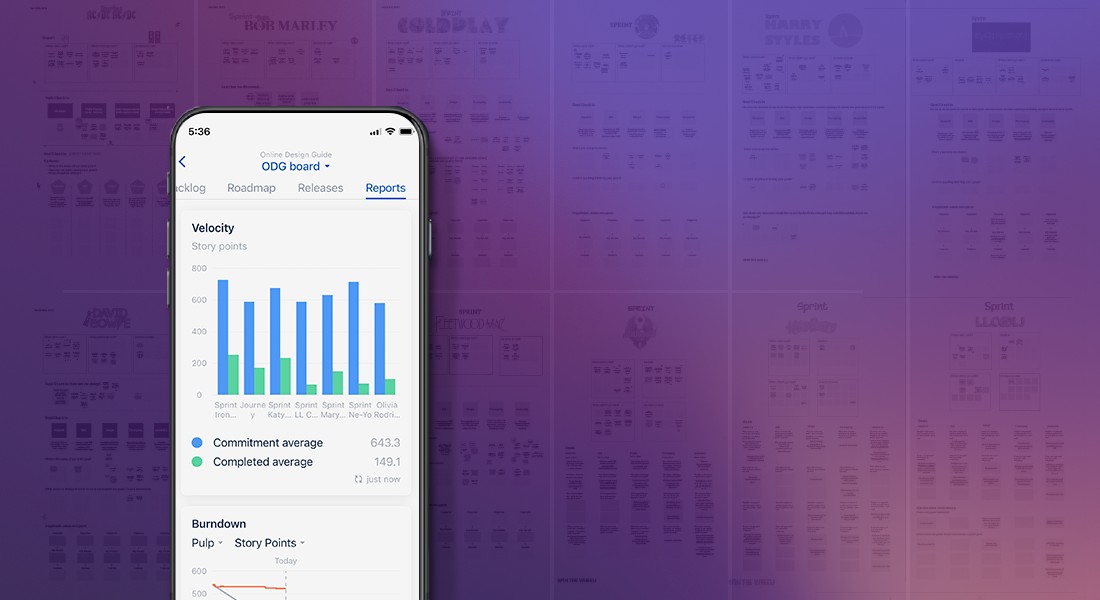 Reporting – Design System progress
04 · DIGITAL DESIGN SYSTEM
The Design System evolved from reusable assets into a shared operational capability, supported by standards, accessibility guidance, governance, communication, and adoption mechanisms.
Mapped product needs, repeated patterns, accessibility requirements, and the gaps creating inconsistency.
Established foundations, reusable components, and practical guidance that teams could apply.
Used Design Council, Brown Bags, and priority tracking to make governance operational.
Connected reuse and stakeholder feedback to the next cycle of improvement.
Every product below was built or redesigned on the Online Design Guide (ODG), sharing one set of components, patterns and standards across planning, accounts, filing, payments and mobile.
The Design System served IRS.gov, which has approximately 37,200 web pages. My direct contributions are highlighted in Section 3.
05 · RESEARCH REPOSITORY / ATLAS
Atlas centralized research artifacts, taxonomy, governance, and discovery practices so teams could build on prior learning rather than repeat it.
06 · IRS.GOV & ACCOUNT EXPERIENCE
The digital home of the IRS, giving individuals, businesses, tax-exempt organizations, and tax professionals the tools and resources to manage their federal tax obligations. Used audience models, visioning, and evaluation to explore clearer pathways across that complex taxpayer ecosystem.
Strategy → ExperienceThe Tax Pro Account is a secure digital self-service portal that enables qualified tax professionals to manage client authorizations and view taxpayer information, replacing tasks that once required paper forms, faxing, or mail. The work progressed from research and workflow insights through prototyping, testing, stakeholder alignment, and prioritization of an investable MVP.
Evidence → Adoption07 · WHEN SPEED MATTERED · 2020
In April 2020, Treasury and the IRS launched two public tools, five days apart, to help deliver COVID-19 Economic Impact Payments to tens of millions of Americans. The teams standing up those products didn't start from zero. They drew on research and design standards our team had already built.
Existing research gave teams a head start on understanding users and a shared evidence base for aligning internal stakeholders quickly.
Understand → AlignEstablished standards gave designers a foundation for building models to review, and gave developers reusable components to build from.
Model → BuildFigures reflect the scale of public demand and the speed of the federal response in 2020. They do not attribute these outcomes to any single initiative. Sources: IRS Commissioner testimony to the Senate Finance Committee, June 30, 2020; IRS.gov.
08 · THE SHIFT
Before
Moving toward
09 · TAKEAWAY
It is how an enterprise learns, aligns, defines experiences, transforms complex journeys, builds reusable infrastructure, governs adoption, and uses evidence to determine what comes next.